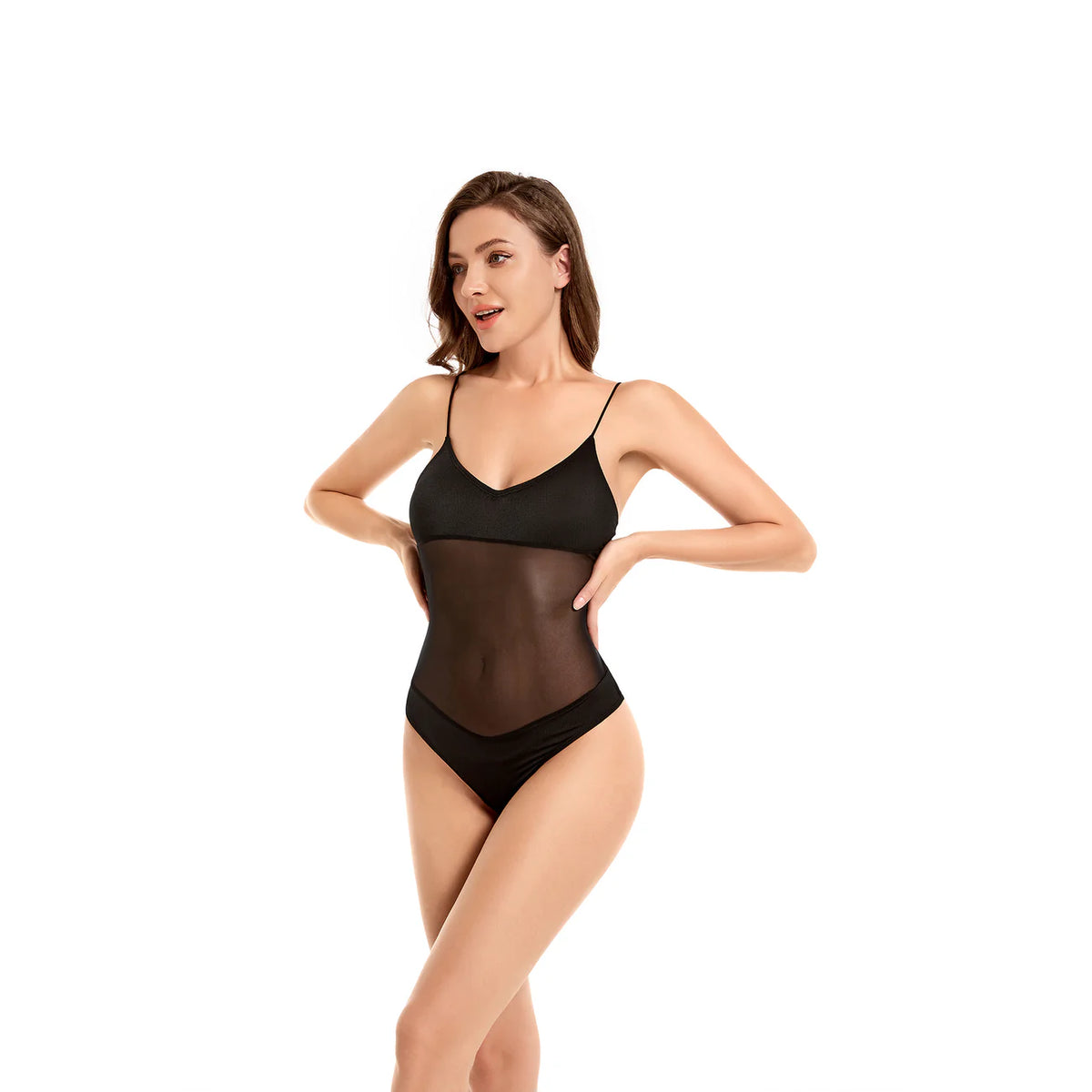
The summer sun, sandy beaches, and rolling waves are always calling, but for sun-seekers, there is nothing more frustrating than the uneven, often awkward "tan lines" left behind when the swimsuit comes off. To achieve that coveted all-over golden glow, Tan-Through Swimwear was born.
Combining high-tech fabrics with stylish designs, these swimsuits are rapidly becoming the secret weapon for fashionistas and beach lovers alike. Today, we’ll dive deep into how tan-through swimwear works, its benefits, and how to choose the perfect style to ensure you have a truly "seamless" glow this summer.
Traditional swimwear is typically made from high-density nylon or Lycra. Its primary function is to provide coverage and support, which also means it almost completely blocks UV rays. This results in those sharp contrast lines once your day of sunbathing ends.
Tan-through swimwear (such as the technology utilized by the renowned Australian brand Qikini) completely changes the game. The secret lies in a patented "micropore weaving technology":
Millions of Micro-holes: The fabric is woven with countless tiny pores that are invisible to the naked eye. These holes allow approximately 80% of UV rays (UVB rays) to pass through the fabric to the skin, triggering melanin production.
Anti-Transparency Principle: You might wonder: if there are holes, is it see-through? Not at all. Tan-through swimsuits usually feature complex, full-coverage prints. These high-saturation, multi-layered patterns create an optical illusion that confuses the human eye's focus, maintaining perfect opacity even when the fabric is wet.
Breathability and Quick-Drying: Because of its highly porous structure, this fabric dries up to 3 times faster than ordinary swimwear, keeping you fresh and comfortable immediately after a dip in the ocean.
The most direct benefit of tan-through swimwear is the elimination of harsh lines. Whether you choose a one-piece or a bikini, the sunlight passing through the fabric allows your torso, stomach, and back to tan in sync with your limbs. You’ll never have to worry about uneven skin tones when wearing a backless dress or a crop top.
Moderate sun exposure is the body’s natural way of obtaining Vitamin D. While traditional swimwear covers a large surface area of the skin, tan-through fabrics increase the exposed area, helping your body more effectively synthesize this nutrient—essential for bone health—while you enjoy the sun.
Due to the unique fabric structure, tan-through swimsuits are remarkably lightweight. Wearing one feels like a "second skin," free from the heavy, soggy weight often associated with standard wet swimwear.
Premium brands like Qikini.com use fabrics that offer high resistance to chlorine and sunscreens, ensuring they don’t lose elasticity or fade easily despite exposure to chemicals or seawater.
On the Qikini website, you will find a wide array of styles. When choosing, consider both the tanning efficiency and how the cut flatters your body:
If you are looking for elegance and a slimming effect, the one-piece is your best bet. Tan-through one-pieces are perfect for women who want to maintain a streamlined look while ensuring their midsection gets a healthy dose of color.
For the "professional sunbather" seeking the most even tan possible, a triangle bikini with thin straps is the ultimate partner. You can easily adjust the strap positions to minimize even the slightest hint of a shadow.
High-cut styles remain a major trend for 2026. This design not only elongates the legs but also increases sun exposure to the hip and side areas.
Owning a tan-through swimsuit is just the first step; a proper tanning strategy ensures a flawless finish:
Base Sunscreen is Essential: It’s a common myth that you don’t need sunscreen under a tan-through suit. In reality, these fabrics typically provide an equivalent of SPF 8 to SPF 15. It is recommended to apply a light layer of broad-spectrum sunscreen all over your body before putting on the suit.
Move and Adjust: Even with tan-through fabric, UV penetration is slightly reduced at the seams and straps where material overlaps. We suggest slightly adjusting your straps or the edges of the suit every hour to achieve 100% seamless blending.
Stay Hydrated: Post-sun hydration is vital. Use a soothing lotion containing Aloe Vera or Vitamin E to keep your sun-kissed glow looking radiant and lasting longer.
Q: Will the swimsuit become transparent in the pool? A: No. Professional tan-through fabrics (like those from Qikini) utilize specific printing techniques to ensure the suit remains opaque whether dry or wet.
Q: Does the fabric snag easily? A: While the fabric is lightweight and porous, it is usually made from high-strength polyester blends. As long as you avoid sitting on rough rocks or concrete pool edges, its durability is comparable to high-quality traditional swimwear.
Q: Should I size up? A: Tan-through fabrics generally have excellent stretch. It is best to refer to the official size chart. Generally, a snug fit ensures the micro-holes are stretched just enough to allow optimal UV penetration.
Tan-through swimwear is more than just beach attire; it represents a confident, free, and efficient lifestyle. It liberates you from the hassle of constant covering and uneven tanning, allowing you to embrace every ray of sunshine.
If you are looking for your first "battle suit" this summer, head over to qikini.com. Whether you are on a private beach in the Maldives or lounging by your backyard pool, put on your favorite tan-through style and get ready to meet a healthier, more radiantly tanned version of yourself!
(Note: The SPF values and UV penetration rates mentioned are based on general physical properties of tan-through fabrics. In environments with intense sunlight, please take extra precautions based on your personal skin sensitivity.)
Are you still frustrated by last year's tan lines, or would you like to know which Qikini print best complements your specific skin tone?